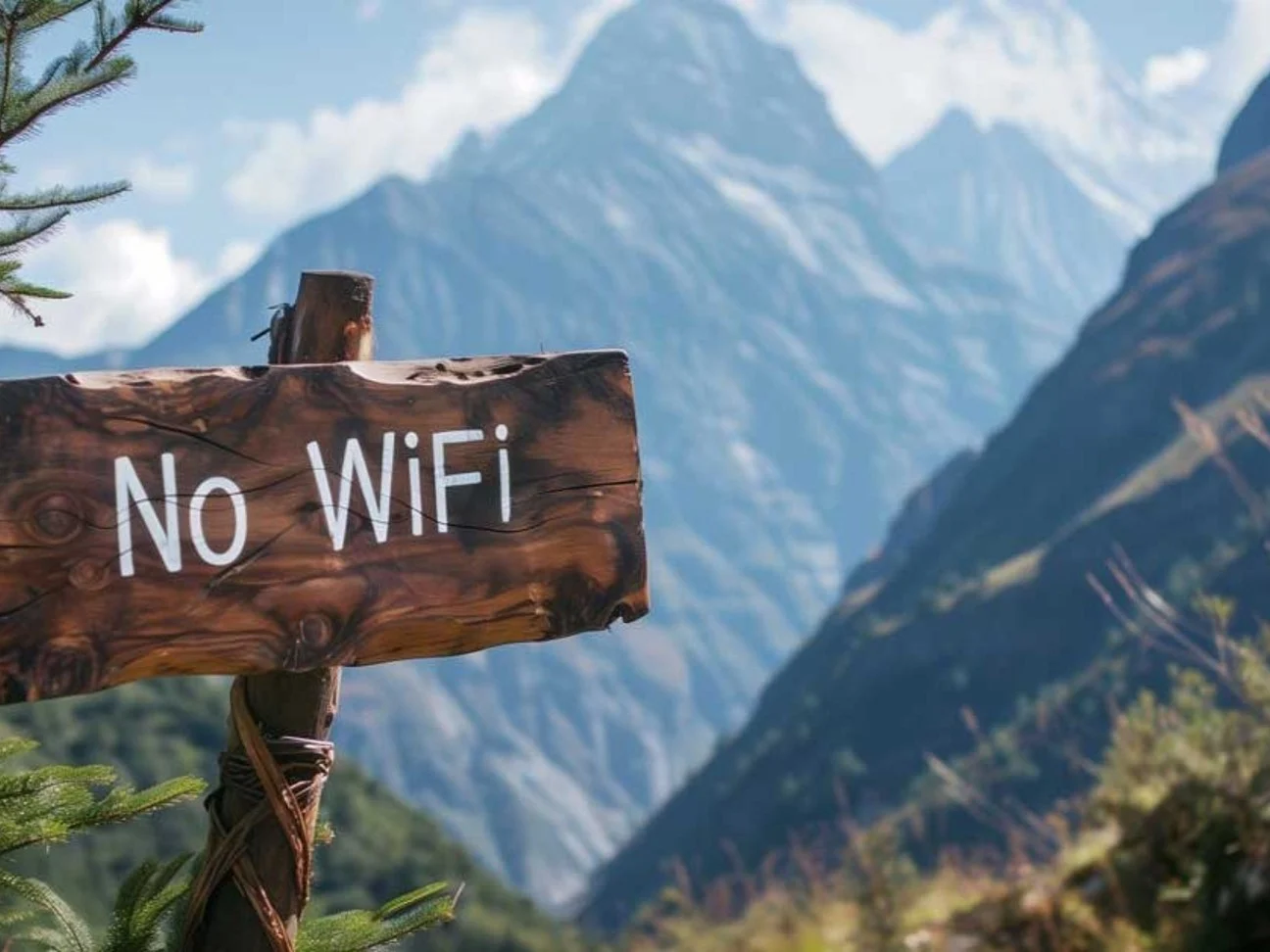
For many years, travel and technology became deeply connected. People began planning trips through apps, booking hotels online, using digital maps everywhere, and sharing every moment instantly through social media. Airports, cafés, trains, beaches, and mountain viewpoints slowly filled with travelers holding phones in front of their faces, capturing photos before fully experiencing the places around them.
At first, this felt exciting and modern. Technology made travel easier, safer, and more connected. A person could work remotely from another country, upload photos instantly, and stay in contact with friends at any moment.
But over time, many young travelers started feeling something unexpected.
Even while visiting beautiful places, their minds often remained trapped inside screens.
People checked notifications during sunsets, answered work emails near beaches, edited photos instead of enjoying meals, and spent evenings scrolling through social media rather than experiencing the places they traveled so far to see.
Some travelers returned home from vacations feeling strangely tired instead of refreshed.
Because of this, a new type of travel slowly became popular among younger generations: digital detox trips.
These trips are not only about avoiding phones completely. They are about creating distance from constant online noise, endless notifications, social media pressure, and digital exhaustion. More young people are beginning to realize that true rest may require disconnecting not only from work, but also from the nonstop flow of information that follows them everywhere.
Many Young Travelers Feel Mentally Exhausted
One reason digital detox trips are growing in popularity is simple: many people feel mentally overloaded all the time.
Modern life rarely allows the brain to rest completely. Phones vibrate constantly with messages, emails, videos, advertisements, headlines, updates, and social media notifications. Even during free time, people often continue consuming endless content without realizing how mentally exhausting it becomes.
Young generations especially grew up surrounded by screens from an early age. For many people, silence now feels unusual because there is always music, videos, scrolling, or online conversation filling every empty moment.
Over time, this constant stimulation affects attention, sleep, concentration, and emotional balance.
Many young travelers started noticing that traditional vacations no longer felt peaceful. Even while sitting near oceans or mountains, they continued checking phones automatically every few minutes. Instead of escaping stress, they carried digital stress into every destination.
One traveler described visiting a beautiful island but spending most evenings editing photos and replying to social media comments. Later, the traveler realized more attention had gone toward documenting the trip than actually experiencing it.
That feeling has become increasingly common.
Travel itself also changed because of social media culture. Many destinations became famous not because of personal discovery, but because of online trends. Travelers often visit places mainly to recreate photos they saw online. Some spend more time searching for “perfect content” than enjoying the environment naturally.
As a result, travel can start feeling performative instead of personal.
Digital detox trips push against that pressure.
Instead of focusing on posting constantly, these travelers intentionally choose slower experiences. Some stay in cabins without strong internet connections. Others visit remote villages, mountains, forests, deserts, or quiet coastal areas where screens become less central.
Interestingly, many travelers report feeling anxious during the first day or two without regular internet access.
Phones are checked automatically even when there are no notifications. People feel uncomfortable not knowing updates from social media or news. Some even worry about missing online conversations.
But after several days, many experience something surprising.
The mind slowly becomes quieter.
Without constant digital input, people begin noticing ordinary details again. Birds, weather, conversations, smells, sounds, and physical surroundings become more vivid. Time feels slower and less fragmented.
One traveler who stayed in a mountain village without reliable internet described the experience almost like “waking up mentally.” Mornings no longer started with endless scrolling. Evenings felt calmer because there were fewer screens before sleep.
The traveler realized how rarely the brain had experienced uninterrupted silence during normal life.
Digital detox trips also help people reconnect with boredom in healthier ways.
Modern technology eliminates boredom instantly. Any free moment can be filled with videos, messages, or entertainment. But boredom itself often creates space for reflection, creativity, and emotional processing.
During detox trips, many travelers start journaling, reading books, walking longer distances, observing nature, or simply thinking quietly for the first time in months.
These simple activities often feel surprisingly restorative.
Young Travelers Want More Meaningful Experiences
Another reason digital detox travel is growing is because many young people are searching for experiences that feel real and emotionally meaningful.
Social media created a culture where everything becomes content very quickly. Meals, sunsets, train rides, cafés, hikes, beaches, hotel rooms, and even private emotional moments are often photographed and shared immediately.
Over time, this can create emotional distance from actual experiences.
Instead of fully living moments, people sometimes begin observing their lives from the outside, constantly thinking about how moments will appear online.
Digital detox trips challenge this mindset by encouraging presence instead of performance.
Without the pressure to document everything, travelers often experience places more deeply. Meals become slower because nobody is stopping constantly for photos. Walks feel more peaceful without checking notifications every few minutes. Conversations become more focused because phones stay away from the table.
Many travelers discover they remember trips more clearly when they spend less time online during them.
One traveler visiting a remote beach in Southeast Asia decided not to use social media for an entire week. At first, it felt strange not sharing photos instantly. But later, the traveler realized something important. The memories felt more personal and emotionally vivid because they existed mainly in the mind rather than online.
This shift changes the emotional purpose of travel itself.
Instead of traveling mainly to show experiences to others, people begin traveling to experience things for themselves again.
Nature plays a major role in many digital detox trips.
Mountains, forests, lakes, deserts, and remote islands naturally encourage disconnection because they reduce digital distractions. Many young travelers now specifically search for places with limited internet access because they know constant connectivity makes true rest difficult.
One interesting trend is the growing popularity of wellness retreats and slow travel experiences. These trips often include meditation, yoga, hiking, journaling, local cooking, or quiet communal living rather than fast sightseeing schedules.
People are becoming less interested in rushing through famous attractions and more interested in emotional balance.
Even train journeys, countryside stays, camping trips, and rural homestays are gaining popularity partly because they encourage slower rhythms and less screen dependence.
Young travelers also increasingly value authenticity.
Online life can feel highly curated and artificial. Photos are edited, lifestyles are filtered, and people often present idealized versions of themselves constantly. After spending years inside highly polished digital environments, many travelers crave experiences that feel unfiltered and human.
Digital detox trips often provide that feeling.
Conversations become more natural without phones interrupting constantly. Meals feel less rushed. Travelers notice local culture more carefully instead of focusing only on taking content for social media.
Some travelers even describe feeling emotionally lighter after several days offline because they stop comparing their experiences constantly with others online.
Without endless exposure to other people’s lifestyles, achievements, or vacations, the mind relaxes slightly.
Disconnecting Helps People Reconnect With Themselves
Perhaps the biggest reason digital detox trips are becoming popular is because many young people no longer want to feel permanently available.
Modern technology erased many boundaries between work, social life, and rest. Emails arrive during vacations. Messages appear late at night. Social media creates pressure to respond constantly. Even leisure time often feels connected to performance and productivity.
As a result, true mental rest has become rare.
Digital detox travel creates temporary separation from those expectations.
During these trips, travelers often rediscover activities that feel simple but emotionally grounding. Reading books slowly. Watching sunsets without photographing them. Sitting quietly with tea. Walking without headphones. Having long conversations without checking phones.
These moments may sound ordinary, but many people realize they have become surprisingly uncommon in daily life.
One traveler who spent several days in a remote mountain area described noticing physical changes after disconnecting. Sleep improved. Anxiety decreased. Thoughts felt less scattered. Even meals tasted more enjoyable because attention stayed fully present.
This highlights something important about digital exhaustion. The problem is not only screen time itself. It is the constant fragmentation of attention.
Phones continuously pull the brain in different directions through alerts, updates, messages, videos, and information streams. Even when people think they are relaxing online, the mind often remains highly stimulated.
Digital detox trips reduce that mental fragmentation.
Without constant interruptions, attention slowly becomes calmer and deeper again.
Many travelers also report stronger emotional awareness during these trips. Without endless distractions, unresolved thoughts and feelings sometimes surface more clearly. While uncomfortable initially, this emotional space often becomes healthy and reflective.
Journaling, hiking alone, sitting near water, or spending time in silence can help people reconnect with themselves in ways difficult to achieve during normal digital routines.
Interestingly, many young travelers do not completely reject technology after these experiences. Instead, they return home with more intentional habits.
Some reduce social media use. Others stop checking phones immediately after waking up. Many turn off unnecessary notifications or create screen-free hours during evenings.
The goal is usually balance rather than total disconnection.
Technology still offers enormous benefits. It helps people communicate, work remotely, learn, navigate unfamiliar places, and stay connected globally. But digital detox travel reminds people that constant connection also carries emotional costs.
The growing popularity of these trips reflects something deeper happening across younger generations. Many people are beginning to realize that convenience alone does not create peace.
After years of living in highly connected digital environments, silence itself has started feeling valuable again.
A quiet train ride through mountains. A beach without notifications. A meal without photos. A conversation without interruptions. A morning without scrolling.
These experiences feel powerful now precisely because they have become rare.
Digital detox trips are not simply about escaping phones. They are about remembering how life feels when attention fully belongs to the present moment instead of constantly being pulled somewhere else.