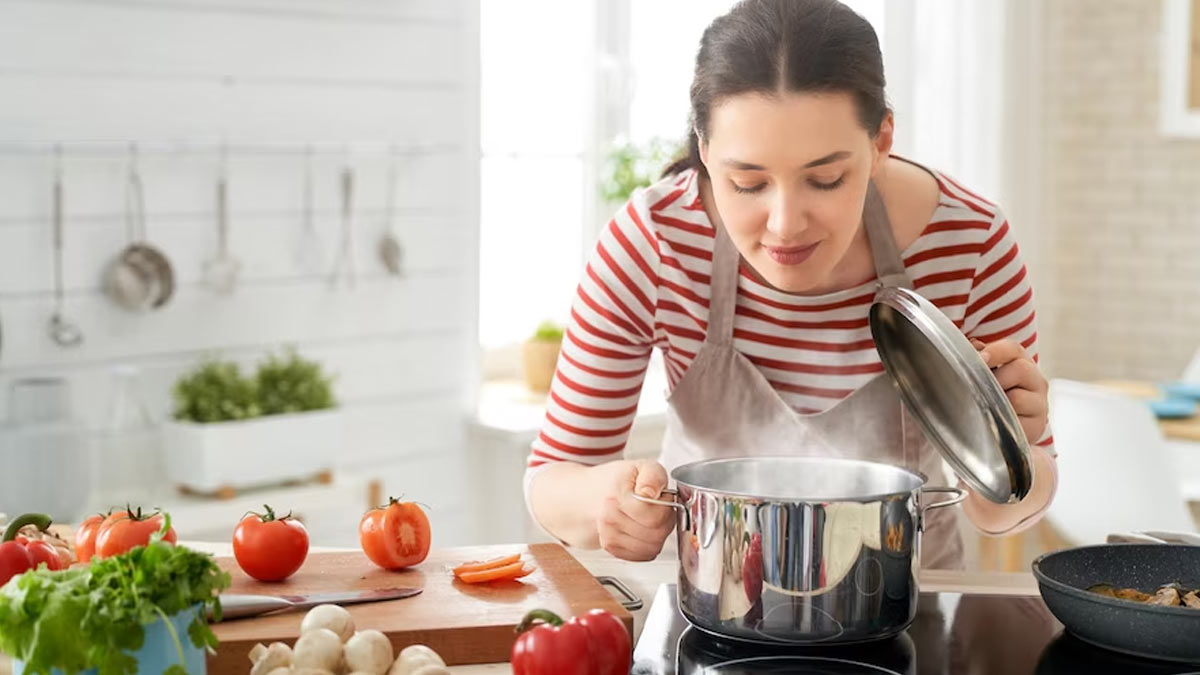
For a long time, cooking felt more exhausting to me than it needed to be. It was not because I disliked food or hated being in the kitchen. In fact, I enjoyed the idea of cooking. I liked the smell of onions frying in oil, fresh herbs being chopped, bread warming in the oven, and meals slowly coming together after a long day.
The stressful part was everything around the cooking itself.
I constantly forgot ingredients, created huge piles of dirty dishes, rushed through preparation, and spent too much time searching for utensils or spices while food burned on the stove. Some evenings, the kitchen looked like a disaster zone before dinner was even ready.
At one point, ordering food online started feeling easier than cooking at home, even though homemade meals were healthier and often tasted better.
Then slowly, through everyday experience, I realized something important. Cooking itself was not the main problem. The real problem was the lack of small systems and habits inside the kitchen.
Professional cooks often look calm not because cooking is magically easy for them, but because they develop routines that remove unnecessary stress. Once I started changing a few daily habits, cooking became faster, smoother, and much more enjoyable.
The interesting part was that none of the changes were dramatic. Most were simple everyday adjustments that quietly saved time and mental energy.
Preparation Changed Everything
One of the biggest lessons I learned was that cooking usually becomes stressful long before the actual cooking starts.
Earlier, I would begin making dinner without preparing anything properly. Vegetables were still unwashed, spices were scattered around different shelves, and ingredients remained inside the refrigerator while oil already heated in the pan.
This created chaos almost every evening.
I constantly rushed between the stove, sink, fridge, and cabinets while trying not to burn food. Small mistakes happened repeatedly because my attention stayed divided between too many things at once.
Then I started following one simple habit: preparing ingredients before turning on the stove.
At first, this felt unnecessary and time-consuming. But after a few days, I realized how much calmer cooking became when vegetables were chopped, sauces prepared, spices ready, and utensils already nearby before the heat started.
Suddenly, the kitchen stopped feeling like an emergency situation.
Professional chefs often call this kind of preparation “mise en place,” but in everyday life it simply means organizing before cooking begins.
This one habit reduced stress more than expensive kitchen tools ever did.
Another major improvement came from cleaning small things immediately instead of waiting until the end.
Earlier, I left bowls, knives, spoons, cutting boards, and containers piled everywhere while cooking. By dinner time, the sink looked overwhelming, which made cooking feel mentally heavier.
Later, I started washing or rinsing items during small waiting moments while food simmered or baked. These tiny cleaning habits prevented huge messes from building up.
The kitchen stayed manageable throughout the process instead of becoming exhausting afterward.
I also realized how much time gets wasted searching for things.
Some days I spent more time looking for lids, spices, peelers, or measuring spoons than actually cooking. Eventually I reorganized the kitchen so frequently used items stayed easy to reach.
Spices moved closer to the stove. Knives stayed in one consistent place. Oils, salt, and cooking tools became easier to access.
These changes seemed small, but repeated daily, they removed countless moments of frustration.
One especially helpful habit was preparing certain ingredients ahead of time.
Washing herbs immediately after grocery shopping. Cutting vegetables in advance for the next day. Cooking rice or sauces in larger portions. Keeping garlic peeled and ready inside containers.
These small forms of preparation turned weeknight cooking into something much less stressful after busy workdays.
Another surprising lesson involved simplifying meals.
Earlier, I often believed every homemade meal needed to feel creative or complicated. This created unnecessary pressure. Over time, I realized simple meals are often the most comforting and sustainable.
Good bread, soup, rice dishes, roasted vegetables, pasta, eggs, or stir-fried meals can feel deeply satisfying without requiring endless preparation.
Once I stopped trying to cook “perfectly” all the time, the kitchen became more relaxing.
Small Habits Made the Kitchen Feel Calmer
One thing people rarely talk about is how emotionally important the kitchen environment itself can be.
A cluttered, noisy, disorganized kitchen creates stress even before cooking begins. But a clean, calm space changes the entire mood of preparing food.
I noticed this especially during evenings after long workdays.
If the sink was already full of dirty dishes and countertops were messy, I immediately felt less motivated to cook. But when the kitchen stayed reasonably clean and organized, cooking felt easier mentally.
Because of this, one habit became extremely important: resetting the kitchen before sleeping.
Instead of leaving dishes overnight or postponing cleanup until morning, I began spending a few extra minutes preparing the kitchen for the next day. Waking up to a clean kitchen changed mornings more than expected.
The space felt welcoming instead of stressful.
Lighting also affected cooking in ways I never noticed before.
Harsh white lights made the kitchen feel cold and tiring during late evenings. Softer warm lighting created a calmer atmosphere, especially while cooking dinner slowly after work.
Music helped too.
Simple background music transformed repetitive tasks like chopping vegetables or washing dishes into more peaceful routines. Cooking stopped feeling like another obligation and started feeling closer to personal time.
Another habit that reduced stress dramatically was reading recipes completely before starting.
Earlier, I often followed recipes while cooking at the same time. Halfway through, I would suddenly realize something needed marinating for thirty minutes or baking at a different temperature.
This caused panic and mistakes repeatedly.
Now I read recipes fully before beginning, even for simple dishes. Understanding the full process beforehand makes everything smoother.
I also learned to respect timing better.
Trying to multitask excessively usually created more problems than efficiency. Cooking multiple complicated things at once often led to burned food, forgotten ingredients, or unnecessary stress.
Slowing down slightly actually made cooking faster overall because there were fewer mistakes to fix.
One particularly helpful change involved grocery shopping habits.
Earlier, I bought ingredients without clear plans, which often created waste or confusion later. Sometimes the refrigerator filled with random items that did not combine into actual meals easily.
Later, I started thinking in terms of flexible meal foundations instead.
Rice, pasta, eggs, vegetables, herbs, yogurt, bread, beans, spices, and proteins that could work across multiple dishes created much easier cooking routines. Meals became adaptable instead of overly dependent on exact recipes.
This flexibility reduced mental pressure around cooking.
I also stopped trying to make every meal highly ambitious.
Some days simple food is enough.
One-pot meals, sandwiches, soups, salads, stir-fries, or breakfast-style dinners can save enormous energy while still feeling satisfying. Understanding this removed unnecessary guilt around cooking.
Another overlooked habit was using leftovers more creatively.
Earlier, leftovers often sat forgotten inside containers until wasted. Now cooked vegetables become omelets, rice becomes fried rice, roasted chicken becomes soup, and sauces become pasta bases.
This approach saves both money and time while reducing food waste naturally.
The kitchen slowly stopped feeling like a place where daily stress increased. Instead, it became a space that supported routine and comfort.
Cooking Became More About Rhythm Than Speed
One of the most important things I learned is that fast cooking does not always mean rushing.
Earlier, I thought efficiency meant moving constantly at high speed. But the cooks who actually seem calm and effective usually move with rhythm instead of panic.
Their kitchens are organized. Their preparation is ready. Their attention stays focused instead of scattered.
Once I developed better habits, cooking became less about surviving dinner preparation and more about enjoying the process itself.
Certain routines became almost automatic.
Tea or coffee while preparing ingredients. Washing vegetables immediately after returning from the market. Keeping counters reasonably clear. Preparing tomorrow’s breakfast before sleeping.
These small habits quietly removed hundreds of tiny decisions and frustrations from daily life.
I also became more comfortable cooking without strict perfection.
Not every meal needs restaurant presentation. Vegetables may cut unevenly sometimes. Sauces may become thicker than expected. Rice may not always turn out perfectly.
That is normal.
Social media and cooking videos often create unrealistic expectations about home cooking. Perfect kitchens, spotless counters, and beautifully plated meals can make ordinary cooking feel inadequate.
But real everyday cooking is messier and more human.
The goal is not perfection. The goal is creating food that nourishes people without turning the kitchen into a stressful place.
Another important lesson involved slowing down mentally while cooking.
Many people cook while multitasking heavily with phones, television, emails, or social media. I noticed meals felt more enjoyable when I stayed mentally present instead of constantly dividing attention.
The smell of garlic frying, bread toasting, spices heating in oil, or soup simmering slowly became more noticeable again.
Cooking transformed from another rushed task into a quieter part of the day.
Family habits changed too.
Cooking became easier when responsibilities were shared naturally. One person cutting vegetables while another prepares rice or washes dishes creates smoother rhythms than one person handling everything alone.
In many cultures, kitchens are social spaces rather than isolated workstations. People talk, laugh, prepare ingredients together, and share meals slowly afterward.
Remembering that human side of cooking changed the experience emotionally.
Interestingly, the habits that helped most were rarely expensive.
A sharper knife helped more than complicated gadgets. Good containers reduced stress more than fancy appliances. Better organization saved more time than advanced technology.
Most improvements came from simplifying rather than adding complexity.
Over time, I realized stressful cooking often comes from decision fatigue and disorganization more than actual difficulty. Small habits reduce that mental overload quietly.
A cleaner counter creates calm. Prepared ingredients create confidence. Simple meals create sustainability. Organized spaces create smoother movement.
These things may sound ordinary, but repeated daily, they completely change how the kitchen feels.
Cooking will probably never become effortless every single day. Some evenings will still feel rushed, messy, or tiring. But good habits make those difficult moments much easier to handle.
And once the kitchen stops feeling chaotic, homemade food becomes less like another obligation and more like something comforting woven naturally into everyday life.
Leave a Reply