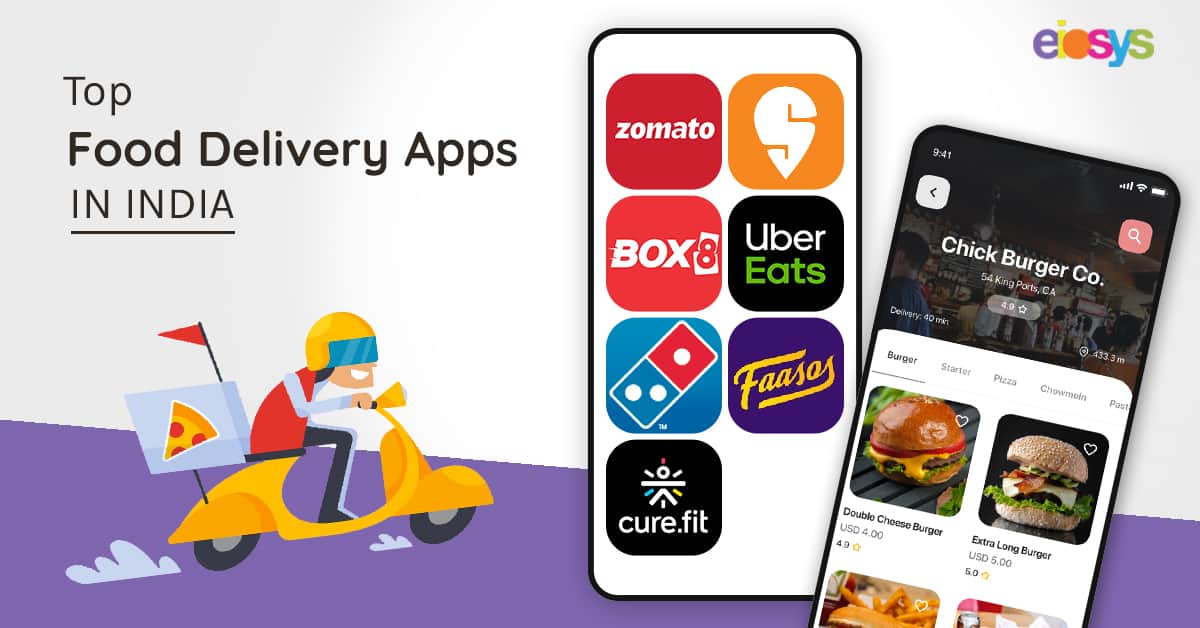
Not very long ago, ordering food at home was usually connected to special occasions. Families ordered restaurant meals during birthdays, weekends, celebrations, or particularly busy evenings when nobody wanted to cook. For most households, homemade food still remained the center of daily life.
Then food delivery apps slowly changed everything.
What once felt occasional became normal. With only a few taps on a phone, people could order burgers, biryani, noodles, pizza, sushi, desserts, coffee, groceries, and even full restaurant meals directly to their doors within minutes. The process became so fast and convenient that cooking at home no longer felt necessary every day.
At first, many families loved the change.
Parents exhausted from work no longer needed to spend hours cooking after long commutes. Teenagers could order snacks easily. Families living in busy cities suddenly had access to hundreds of restaurants they had never visited physically.
Food delivery apps made life feel simpler and more flexible.
But over time, they also quietly changed something deeper: the way families eat together.
Meals are no longer only about food itself. They are connected to routine, conversation, culture, habits, and family relationships. When the process of eating changes, family life changes too.
The impact has been both positive and complicated.
Convenience Changed Daily Family Routines
One of the biggest reasons food delivery apps became so popular is because modern family life became busier than ever.
In many households, both parents work long hours. Children attend school, tuition classes, sports activities, or online learning programs. Commutes in large cities consume enormous time and energy. By evening, many people feel too tired to prepare full meals from scratch.
Food delivery apps entered perfectly into this reality.
Instead of shopping for ingredients, chopping vegetables, cooking, and cleaning dishes afterward, families could simply choose meals through an app and wait for the doorbell to ring.
The convenience felt almost revolutionary.
One parent described how food delivery apps changed stressful evenings completely. Earlier, after returning home exhausted from work, cooking dinner sometimes caused frustration and arguments because everyone was hungry and tired. Ordering food occasionally removed pressure and allowed the family to relax together instead.
For many households, delivery apps reduced stress during difficult schedules.
Children also adapted quickly to this new system.
Earlier generations often grew up eating mostly homemade food prepared according to family traditions. Today, many children become familiar with restaurant menus, international cuisines, and online food ordering from an early age.
Family dinners started changing because everyone could choose different foods individually.
One person orders pizza. Another wants noodles. Someone else chooses salads or biryani. Instead of eating the same meal together, families sometimes eat completely different foods during the same dinner.
This created more flexibility, but also changed the shared nature of meals.
Earlier, family meals often centered around one dish prepared for everyone together. That shared food experience naturally created conversation and routine. Food delivery apps introduced much more personalization and individual choice.
In some ways, this reflects broader modern life where personalization affects almost everything.
Entertainment became individualized through streaming platforms. Music became personalized through headphones and playlists. Work became remote and flexible. Food followed the same pattern.
Another major change involved time itself.
Homemade meals usually require planning. Ingredients must be bought, preparation takes time, and families often organize schedules around cooking and eating. Food delivery removed much of that structure.
Dinner times became more flexible and sometimes more unpredictable.
Some families began eating later because ordering felt easier than cooking quickly. Others stopped planning meals in advance because options remained available anytime through apps.
Late-night eating also increased in many homes.
One teenager explained that earlier, if no food was prepared at home late at night, people simply waited until morning. Now, almost any craving can be satisfied immediately through delivery apps.
This constant availability changed eating habits quietly.
At the same time, food delivery apps also expanded culinary experiences for many families. People living in smaller towns or conservative food cultures suddenly gained access to international cuisines that were once difficult to find.
Families began trying Korean food, Japanese dishes, Middle Eastern meals, Mexican snacks, and international desserts without traveling anywhere.
For some households, food delivery became a form of exploration and entertainment.
Weekend dinners transformed into small cultural experiences where family members tried unfamiliar foods together while discussing flavors and preferences.
In this way, technology expanded food variety and curiosity inside many homes.
Families Spend Less Time Cooking Together
One of the quieter changes caused by food delivery culture is the gradual decline of shared cooking experiences inside families.
Cooking together once played an important role in many households.
Parents taught children recipes passed through generations. Family members helped prepare vegetables, knead dough, fry snacks, or set the table together. Kitchens became social spaces filled with conversation, smells, music, and routine.
These moments often created emotional memories stronger than people realized at the time.
Food delivery apps did not intentionally replace these traditions, but convenience slowly reduced the need for them.
When ordering dinner becomes easier than preparing it, fewer people spend time learning basic cooking skills or participating in meal preparation regularly.
Some young adults now grow up with very limited kitchen experience because food ordering became so accessible during their teenage years.
One mother described noticing that her children no longer recognized certain traditional recipes because family meals increasingly came from restaurants rather than home cooking.
This shift is not necessarily about laziness. It reflects changing lifestyles, work pressures, urban living, and digital convenience.
Still, something emotional changes when kitchens become quieter.
Earlier, family members often gathered naturally around food preparation before meals. Someone chopped vegetables while another prepared rice or washed dishes. Conversations happened casually during these routines.
Now many meals arrive fully prepared at the doorstep.
The efficiency is helpful, but the shared process disappears.
Another noticeable change is how screens became connected to eating.
When families cook together, meals often involve waiting, preparation, and shared attention. Food delivery, however, sometimes turns meals into more isolated experiences connected to phones, streaming services, or social media.
One family member orders food while scrolling online. Others continue watching television until delivery arrives. Meals may happen separately because everyone’s schedules differ.
The ritual of sitting together at the same time becomes less consistent.
Of course, this does not happen in every household. Some families still intentionally preserve shared mealtimes regardless of whether food is homemade or delivered.
But overall, convenience changed the structure around eating.
Interestingly, food delivery apps also changed emotional expectations around food.
Earlier, restaurant meals felt special partly because they were less frequent. Ordering pizza or takeaway created excitement because it broke normal routine. Now, restaurant food can become ordinary daily consumption.
As a result, some people report feeling less emotionally connected to meals overall.
Too many choices can also create strange decision fatigue.
Families sometimes spend long periods scrolling through menus, comparing discounts, reading reviews, and debating options before ordering. Ironically, the convenience of unlimited choices sometimes creates more mental exhaustion than simple home cooking.
One father joked that deciding what to order now takes longer than actually preparing basic meals used to.
The apps also changed children’s relationships with patience and cravings.
Earlier, if someone wanted specific food, they usually waited until it could be prepared or purchased later. Now cravings can often be satisfied immediately through phones.
This instant accessibility subtly changes expectations around food and convenience.
Food Delivery Also Created New Kinds of Togetherness
Despite these changes, food delivery apps are not entirely negative for family life. In many homes, they created new forms of comfort and connection too.
For busy urban families, ordering food sometimes allows more quality time together precisely because nobody needs to spend hours cooking afterward.
Instead of one exhausted family member handling all kitchen responsibilities alone, everyone can relax and focus on conversation or shared activities.
One couple explained that ordering dinner occasionally helped reduce tension after stressful workdays. Without pressure to cook late at night, evenings felt calmer and more enjoyable.
For elderly family members or people with health limitations, delivery apps also increased independence significantly.
Meals became more accessible for people unable to cook regularly or travel easily to restaurants.
During difficult periods like illness, bad weather, or emergencies, food delivery services often became extremely important for families.
The pandemic especially changed public attitudes toward food delivery. During lockdowns, delivery apps became lifelines connecting households to restaurants, groceries, and essential supplies.
For many families, those years permanently normalized app-based food culture.
Food delivery also created new family traditions in some homes.
Friday-night pizza orders, weekend dessert deliveries, movie-night snacks, or trying new cuisines together became shared rituals. Families sometimes gather around phones choosing meals together almost like selecting entertainment.
Technology changed the format, but the desire for shared experiences remained.
Another interesting effect is that younger generations became more aware of different cuisines and food cultures because of delivery apps. Exposure to international food expanded much faster than previous generations experienced.
Children growing up today may become familiar with sushi, ramen, tacos, shawarma, dim sum, or Korean fried chicken long before traveling internationally.
Food became globally connected through smartphones.
At the same time, many families are now trying to create healthier balance.
Some intentionally limit delivery orders to weekends. Others combine convenience with home cooking by ordering occasionally rather than daily. Many parents now recognize the importance of teaching children cooking skills despite app-based convenience.
People are beginning to understand that meals are not only about efficiency.
Food carries emotional meaning because it creates rhythm inside family life. Shared meals often become moments where people slow down, speak honestly, and reconnect after busy days.
Technology can support those moments or quietly weaken them depending on how families use it.
In the end, food delivery apps changed much more than restaurant access. They changed routines, expectations, kitchen culture, and even the emotional structure around eating together.
Some changes brought comfort and flexibility. Others created distance from older traditions and shared cooking experiences.
Like many forms of technology, food delivery itself is not entirely good or bad. Its impact depends largely on whether convenience replaces connection completely or simply makes modern family life a little easier while preserving the human side of meals.