Many people begin their mornings in a hurry without even realizing it. The alarm rings, the phone screen lights up, messages appear, and within a few minutes the mind already feels tired. Breakfast becomes something to finish quickly. Coffee is swallowed while checking emails. Some people even start worrying about problems before leaving the bed. Modern life has made speed feel normal, especially during the first hour of the day.
But there is another way to begin the morning. A slower morning routine does not mean being lazy or wasting time. It means giving the body and mind a chance to wake up naturally instead of being pushed into stress immediately. People who slow down their mornings often notice that the rest of their day feels calmer, clearer, and more manageable.
The interesting part is that small changes in the morning can affect mood, energy, focus, and even relationships throughout the entire day. A peaceful morning often creates a peaceful rhythm for everything that follows.
The Difference Between Starting Fast and Starting Calm
Imagine two different mornings.
In the first one, a person wakes up late after pressing the snooze button several times. The first thing they see is a long list of notifications on their phone. News headlines create anxiety. Social media creates comparison. Messages from work create pressure. The person rushes to the bathroom, skips breakfast, searches for lost keys, and leaves the house already feeling behind.
Now imagine another morning.
The person wakes up a little earlier. They open the curtains and let natural light enter the room. Instead of touching the phone immediately, they sit quietly for a few minutes. Maybe they drink warm water, stretch their body, or simply breathe slowly while listening to birds outside the window. Breakfast is simple but eaten without rushing. There is enough time to think clearly before the responsibilities of the day begin.
The second morning may sound small and ordinary, but it changes something important inside the mind. The brain does not feel attacked by stress from the very beginning. Instead, it feels prepared.
Many people think productivity comes from moving faster, but often the opposite is true. When the mind is rushed early in the morning, concentration becomes weaker later in the day. Small problems feel larger. Patience becomes shorter. Mistakes happen more easily.
A calm morning gives mental space. It allows thoughts to settle before the noise of the world arrives. People often notice they make better decisions when their mornings are slower. They speak more kindly to others. They react less emotionally to stress. Even traffic, delays, or work pressure feel easier to handle.
Scientists and mental health experts often talk about stress hormones like cortisol, which naturally rise in the morning. When people immediately expose themselves to pressure, screens, and rushing, those stress levels can rise even more. Over time, this can create exhaustion that feels normal but slowly affects health and happiness.
A slower routine helps the body move into the day more naturally. Something as simple as sitting quietly with tea for ten minutes can create emotional balance that lasts for hours.
Many older generations understood this without using scientific words. In many cultures around the world, mornings were once considered peaceful and meaningful. Families shared breakfast together. People swept their front yards, watered plants, prayed, stretched, or watched the sunrise. There was rhythm and calmness in everyday life.
Modern technology has changed mornings dramatically. Phones are now alarm clocks, entertainment centers, offices, news stations, and social spaces all at once. Because of this, many people start their day mentally overloaded before they even stand up.
Slowing down is not about rejecting technology completely. It is about deciding that the first moments of the day belong to you, not to notifications.
How Small Morning Habits Affect the Entire Day
One reason slow mornings are powerful is because mornings create emotional momentum. The feelings people experience during the first hour often continue into the afternoon and evening.
Think about how difficult it is to recover from a stressful start. If someone begins the day angry, anxious, or rushed, those emotions often follow them everywhere. They may become impatient during meetings, distracted while driving, or tired much earlier than usual.
But when the morning feels calm, people often carry that calmness into other parts of life.
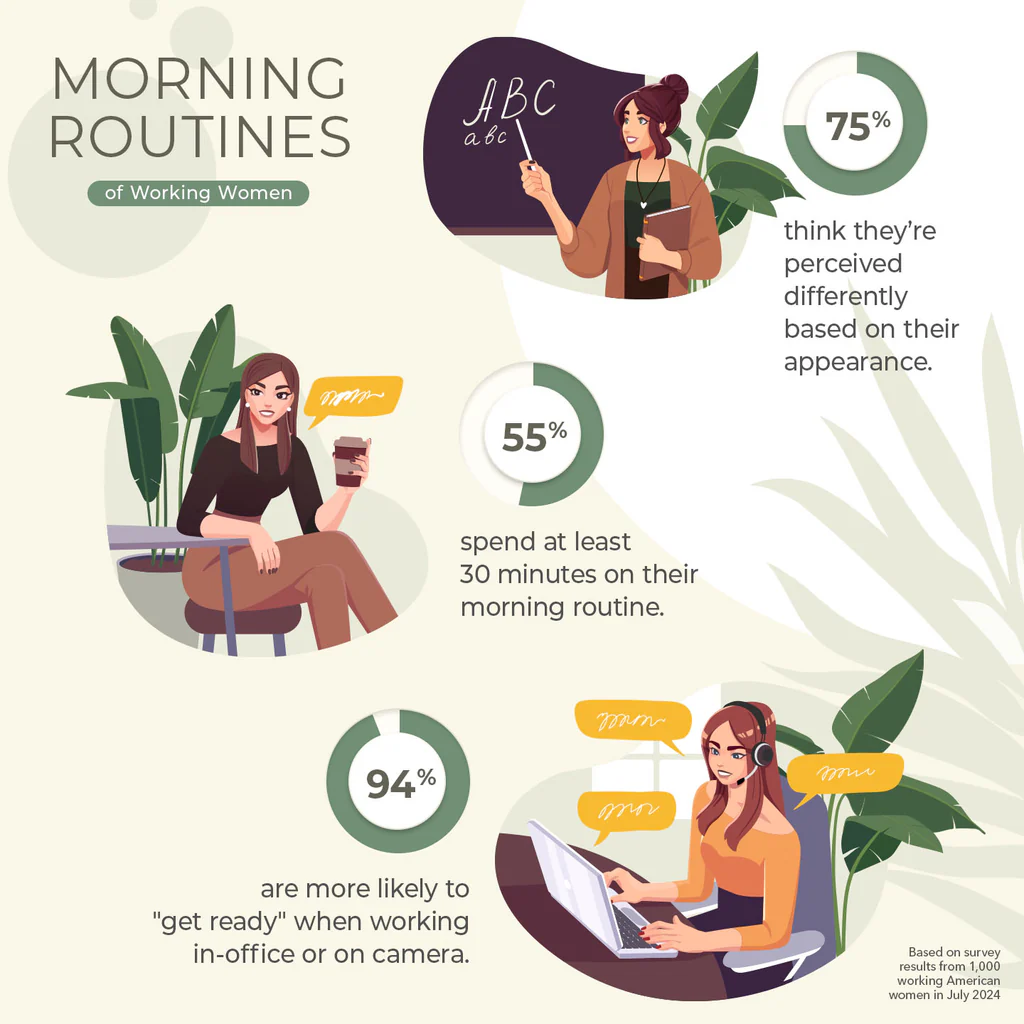
A woman working in a busy city once described how changing her mornings changed her personality. For years she woke up at the last possible minute. Every morning felt like a race against time. She argued with family members more often, forgot important tasks, and felt exhausted before lunch.
One day she decided to wake up thirty minutes earlier. At first, she thought the extra time would simply make mornings less stressful. But after a few weeks, she noticed something surprising. She became more patient at work. She listened more carefully during conversations. She even enjoyed food more because she was no longer eating in a hurry.
The routine itself was simple. She drank tea slowly near the window, wrote a few thoughts in a notebook, and avoided social media until after breakfast. These small habits created emotional stability that affected everything else.
This experience is becoming more common around the world. People are beginning to realize that peace is not always found during vacations or weekends. Sometimes peace begins with twenty quiet minutes before the day fully starts.
Food also plays an important role in slower mornings. In many households, breakfast has become rushed or completely skipped. Yet sitting down for a proper meal can change energy levels and mood dramatically.
There is something deeply human about eating slowly in the morning. Warm bread, fresh fruit, eggs, rice porridge, coffee, tea, or soup can create comfort before facing daily responsibilities. In many countries, breakfast traditions are connected to family memories and emotional warmth.
A slow breakfast also encourages mindfulness. People actually taste their food instead of treating meals like another task to complete quickly.
Movement matters too. Gentle stretching, walking, or light exercise in the morning wakes up the body without shocking it. Some people enjoy yoga. Others prefer walking through quiet streets before crowds appear. Even cleaning a room slowly or watering plants can help create mental clarity.
The important thing is not the exact activity. The important thing is creating space to exist without pressure for a short time.
Interestingly, slower mornings often improve productivity instead of reducing it. People who begin calmly often work with better focus later because their minds are less scattered. They waste less energy reacting emotionally to stress.
Many successful people around the world protect their mornings carefully. Some avoid checking emails early. Others spend time reading, exercising, meditating, or writing before work begins. They understand that the quality of the morning shapes the quality of their thinking.
Why the World Feels Better When You Stop Rushing
Modern culture often celebrates being busy. People proudly say they slept very little or worked nonstop. Rest is sometimes treated like weakness. Because of this, slowing down can feel uncomfortable at first.
Some people even feel guilty when they sit quietly in the morning because they believe every minute must be productive. But human beings are not machines. Constant rushing creates emotional noise that slowly damages joy and attention.
When mornings become calmer, people often begin noticing small details again.
They notice sunlight entering the kitchen. They notice the smell of coffee or fresh bread. They notice the sound of rain outside or the quiet feeling of early streets before traffic begins. These moments may seem unimportant, yet they reconnect people to daily life in a deeper way.
Travelers often experience this feeling during trips. Many people remember peaceful mornings while traveling more clearly than famous tourist attractions. Sitting in a small café in Italy, walking through silent streets in Japan, watching fishermen near a beach in Thailand, or drinking tea in the mountains of Nepal creates memories because those moments feel slow and real.
Interestingly, people often search for peaceful mornings while traveling but forget to create them at home.
Slowing down also improves relationships. A rushed morning can make family members speak sharply to one another without meaning to. Parents become impatient with children. Couples communicate poorly. Everyone leaves the house carrying stress.
But when mornings have more space, conversations become softer. People listen better. There is time for eye contact, shared meals, or simple moments together.
Children especially benefit from calm mornings. Kids often absorb the emotional atmosphere around them. When adults rush constantly, children feel that stress too. A calmer start can make school mornings less chaotic and more emotionally secure.
Even creativity improves during slow mornings. Writers, artists, cooks, and thinkers throughout history often valued quiet mornings because the mind feels clearer before the world becomes noisy. Some of the best ideas appear during peaceful moments when the brain is relaxed instead of overloaded.
Of course, not everyone has perfect schedules. Some people work night shifts, manage multiple jobs, care for children, or face difficult responsibilities. A slow morning does not need to be long or expensive. Even ten intentional minutes can make a difference.
It could mean drinking water before checking the phone. It could mean opening a window and breathing fresh air. It could mean eating breakfast without television or social media. Small pauses create space inside the mind.
Over time, these quiet moments begin changing how the entire day feels. Life may still contain stress, deadlines, traffic, and problems, but the mind becomes better prepared to face them.
A slower morning does not change the outside world immediately. It changes the way people enter the world each day.
Leave a Reply