For a long time, social media was one of the first things I checked every morning and one of the last things I saw before sleeping. It had quietly become part of almost every small break during the day. Waiting for food, standing in line, sitting in traffic, resting after work, or even watching television often included scrolling through endless posts without thinking much about it.
At some point, I noticed something strange. Even after spending hours online, I rarely felt rested or satisfied. My mind always felt crowded with opinions, trends, news, videos, and updates from people I had not spoken to in years. I was constantly consuming information, yet I struggled to remember most of it by the end of the day.
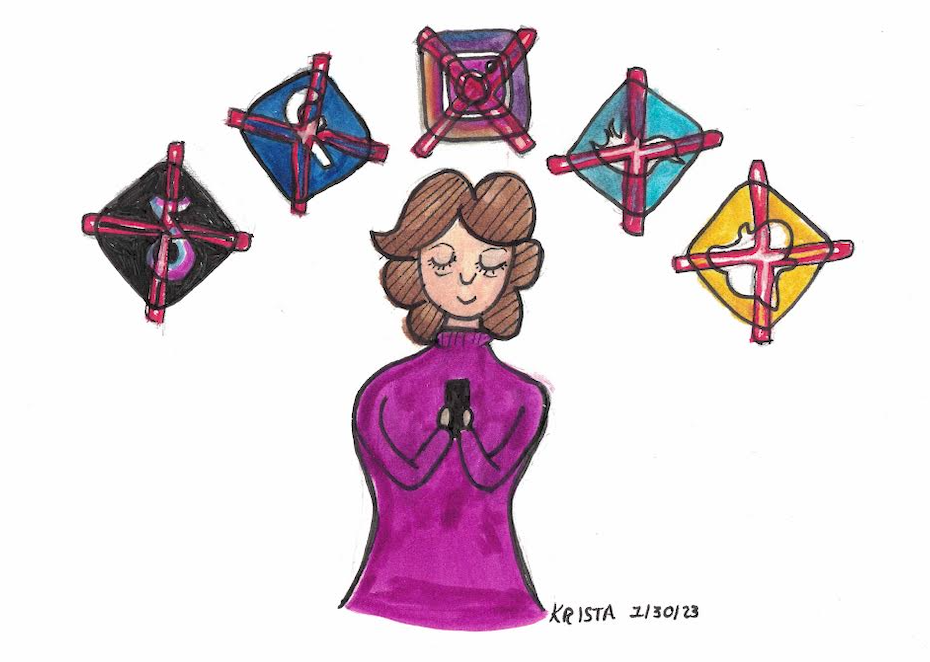
One evening, after spending nearly an hour scrolling without purpose, I decided to try something simple. I deleted social media apps from my phone for one week. Not forever. Just seven days.
At first, it sounded easy. I thought the break would simply give me more free time. But during that week, I learned much more about my habits, attention, emotions, and daily life than I expected.
The First Few Days Felt Uncomfortable
The first thing I noticed after deleting the apps was not peace. It was discomfort.
My hands automatically reached for my phone many times during the day without any real reason. I would unlock the screen, search for the app icon, then suddenly remember it was gone. The habit was so automatic that it almost felt physical.
That realization surprised me.
I had always believed I used social media consciously. But during those first two days, I realized many moments of scrolling happened without intention at all. It had become a reflex whenever my mind experienced boredom, silence, or even slight stress.
The quietness felt strange in the beginning.
While waiting for coffee at a café, I simply sat there looking around instead of scrolling. During lunch breaks, I finished eating faster because I was not distracted by videos. In elevators, buses, and waiting rooms, I noticed how almost everyone stared at screens continuously.
Without social media filling every small pause, time suddenly felt slower.
At first, slower felt uncomfortable.
One evening after work, I sat on the couch without knowing what to do. Normally I would open apps automatically and move from one post to another for hours. Without that option, I became more aware of how tired my mind actually was.
That night, instead of scrolling, I started reading an old book that had been sitting untouched for months. I only planned to read a few pages, but I ended up reading for almost an hour without noticing the time.
The experience felt different from consuming short videos or endless posts. My attention felt deeper and calmer.
By the third day, another interesting thing happened. My mornings became quieter.
Usually, I began each day by checking notifications immediately after waking up. News headlines, arguments, celebrity stories, memes, travel photos, and work updates entered my brain before I even brushed my teeth.
Without social media, mornings felt less emotionally crowded.
I stopped comparing my life to other people’s highlight moments before breakfast. I stopped absorbing negative news before my mind fully woke up. Instead, I noticed small ordinary things again. The sound of birds outside. Morning sunlight entering the room. The smell of coffee.
These details had always existed, but my attention had been somewhere else.
I also realized how much social media affected emotions without me noticing. A single negative comment, stressful news story, or comparison with someone else’s success could quietly change my mood for hours.
Online life often feels emotionally intense because platforms are designed to keep attention constantly engaged. There is always something shocking, funny, dramatic, beautiful, or upsetting appearing every few seconds.
Without that nonstop emotional stimulation, my mind slowly became calmer.
At the same time, I also noticed loneliness in a different way.
Social media creates the feeling of constant connection, even when interactions are shallow. During the first few days offline, I realized how often I watched other people’s lives instead of participating fully in my own.
That realization was uncomfortable but important.
I Started Experiencing Daily Life Differently
Around the fourth day, the experience changed completely.
The discomfort started disappearing, and I began enjoying the extra mental space. My phone battery lasted much longer. I stopped carrying my phone everywhere inside the house. Sometimes I even forgot where I left it.
That had not happened in years.
Without constant scrolling, I became more present during ordinary activities. Meals felt calmer because I was actually tasting food instead of multitasking with videos. Walks outside felt more relaxing because my attention stayed on the environment instead of notifications.
One afternoon while sitting in a park, I noticed something I probably would have ignored before. An elderly man was feeding birds slowly while speaking softly to a small child beside him. It was a simple moment, but it stayed in my mind for the rest of the day.
Social media often trains the brain to search constantly for the next piece of stimulation. Real life moves much slower than online content. When people become used to rapid scrolling, ordinary moments can start feeling boring even though they are deeply human and meaningful.
As the week continued, I became more patient with slower experiences.
Cooking dinner without watching videos suddenly felt enjoyable instead of empty. Listening to music became more immersive because I was not dividing attention between songs and scrolling. Conversations with friends felt more focused because I was not checking notifications every few minutes.
I also noticed changes in my concentration.
Before the experiment, I often struggled to focus on one task for long periods. After several days without social media, reading, writing, and working became easier. My mind jumped less rapidly between thoughts.
The change was gradual but noticeable.
One reason may be that social media trains attention to move quickly from one thing to another. Short videos, headlines, and endless feeds constantly reward fast switching. Over time, the brain becomes less comfortable with stillness and sustained focus.
Without realizing it, I had trained myself to expect constant stimulation.
During the week offline, boredom returned in small moments. But boredom itself was not bad. In fact, some of my best thoughts appeared during quiet periods when my brain was not overloaded with content.
Ideas came while showering, walking, or sitting quietly with tea. Creativity felt more natural because there was space for original thoughts instead of nonstop consumption.
Another surprising lesson involved relationships.
I had assumed social media helped me stay connected to people, but during the week I started contacting friends more directly. Instead of simply liking photos or reacting to stories, I sent actual messages or made phone calls.
The conversations felt more personal and memorable.
One evening I spoke with an old friend for nearly an hour. Later I realized we had interacted online for years without having a real conversation that meaningful.
The experience made me think differently about digital connection. Seeing constant updates about people’s lives is not always the same as truly communicating with them.
What the Week Changed About My View of Technology
By the sixth and seventh days, I no longer missed social media as much as I expected.
That surprised me more than anything else.
Before the experiment, I believed social media was necessary for relaxation, entertainment, and staying informed. But after several days away from it, I realized much of my usage had little connection to happiness or meaningful connection.
Many hours disappeared into content I barely remembered later.
This does not mean social media is completely bad. There are many positive sides to it. People discover useful information, stay connected with distant friends, build businesses, learn skills, and find communities online. Social media can inspire creativity and provide opportunities that never existed before.
But the experience taught me that balance matters far more than I realized.
Technology becomes harmful when it quietly controls attention without intention. During the week offline, I understood how much mental energy constant scrolling consumes. Even when content seems light or entertaining, the brain remains continuously stimulated.
I also became more aware of comparison culture.
Online platforms often show carefully selected moments from people’s lives. Success, beauty, travel, luxury, fitness, relationships, and achievements appear constantly. Even when people know these images are curated, comparisons still happen emotionally.
Without social media for a week, I noticed fewer feelings of pressure about productivity, appearance, or success. My thoughts became more focused on my actual daily life instead of endless digital comparisons.
Sleep improved too.
Without scrolling late at night, my mind felt calmer before bed. Earlier, I often spent an extra hour online without realizing how much time had passed. During the break, evenings became quieter and more restful.
At the end of the week, I reinstalled some apps but changed the way I used them. I turned off many notifications. I removed apps from the home screen. I stopped opening social media automatically during every free moment.
Most importantly, I stopped believing that constant connection equals peace or happiness.
The week taught me that attention is valuable. Where people place their attention every day slowly shapes their emotions, thoughts, and experiences. Social media is designed to compete aggressively for that attention, often very successfully.
Stepping away even briefly revealed how different life feels when the mind is not constantly pulled in hundreds of directions.
The world itself did not change during that week. Work still existed. Responsibilities remained. News continued. People kept posting photos and opinions online.
But my experience of daily life changed.
Meals felt slower. Conversations felt deeper. Mornings felt calmer. Walks felt more alive. Thoughts felt clearer.
The biggest lesson was not that social media should disappear completely. It was realizing how easy it is to lose awareness of habits that quietly shape everyday life.
Leave a Reply