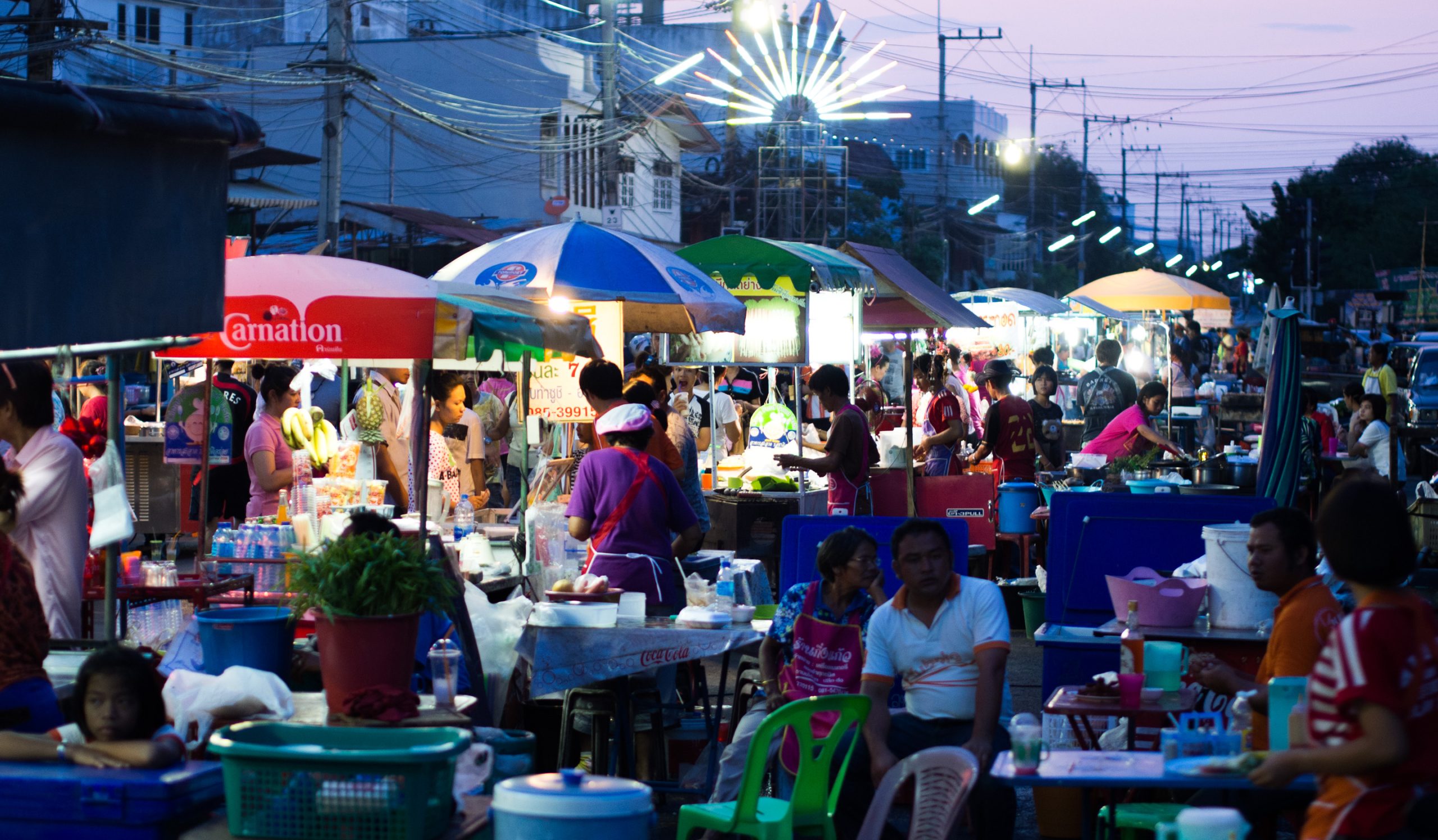
For a long time, I believed the best food experiences would happen inside expensive restaurants. Travel magazines, food shows, and online reviews often presented fine dining as the highest level of culinary experience. Beautiful interiors, carefully arranged plates, long menus, and famous chefs created the feeling that important food needed luxury around it.
And to be fair, some fine dining experiences can be incredible. The attention to detail, presentation, and creativity can leave lasting impressions.
But over the years, something unexpected happened while traveling.
The meals I remembered most were rarely the expensive ones.
Instead, the strongest food memories often came from crowded streets, tiny food stalls, night markets, roadside carts, and smoky corners of busy cities where plastic chairs replaced elegant tables and strangers stood shoulder to shoulder waiting for food.
Street food taught me things that fine dining never could. It taught me about daily life, local culture, human connection, patience, history, survival, and the emotional side of eating. It showed me how food becomes part of ordinary people’s routines rather than special occasions reserved only for tourists or celebrations.
Most importantly, street food made countries feel real.
Street Food Shows the Everyday Soul of a Place
One evening in Bangkok, I stood beside a crowded food cart while rainwater moved slowly along the streets nearby. The air smelled of grilled meat, garlic, chili, and smoke. Plastic stools were packed tightly together, and people from completely different backgrounds shared the same small space while eating bowls of noodles under bright lights.
Office workers still wearing formal clothes sat beside students, tourists, delivery drivers, and elderly couples. Nobody cared about appearance or status. Everyone focused on the food.
That moment taught me something simple but important. Street food belongs to everyday life.
Unlike luxury restaurants, street food is deeply connected to the rhythm of ordinary people. It feeds workers during lunch breaks, families after long days, students with limited money, and travelers searching for something authentic.
You learn more about a city by standing beside locals at a food stall than by sitting quietly inside expensive tourist restaurants separated from daily life.
In many countries, street food is also connected to history and survival.
Recipes often come from generations of people who created flavorful meals using affordable ingredients. Vendors spend years perfecting a small number of dishes rather than offering huge menus. Some families pass recipes through generations while selling food from the same street corner for decades.
One traveler once described eating tacos from a small stall in Mexico City late at night. The vendor worked quickly while speaking with regular customers who clearly knew him well. There were no decorations, no luxury seating, and no expensive presentation. Yet the tacos carried flavors so rich and balanced that the traveler remembered them years later more clearly than meals from expensive restaurants.
Street food often feels deeply personal because the food reflects local identity instead of global trends.
In many tourist areas, restaurants sometimes adjust recipes for international visitors. Spice levels become softer. Ingredients change. Presentation becomes more important than tradition.
Street food usually stays closer to what local people actually eat.
That honesty creates powerful experiences.
In India, standing beside a busy roadside stall while eating hot chaat or dosa reveals more about the country’s energy than many organized tours. In Vietnam, sitting on tiny plastic chairs beside a crowded street while eating pho early in the morning shows how deeply food connects to routine and community.
Even the sounds around street food matter.
The noise of frying oil, vendors calling customers, chopping vegetables rapidly, sizzling grills, passing traffic, laughter, conversations, and music all become part of the experience. Food no longer feels isolated from life. It becomes part of the environment itself.
One of the most surprising things about street food is how much trust it requires.
Travelers often step outside comfort zones while eating from unfamiliar stalls. At first, there may be hesitation about hygiene, ingredients, or language barriers. But those moments of uncertainty often create the strongest memories because they involve openness and curiosity.
Some of the best meals happen when people stop searching only for safety and familiarity.
Street food also teaches patience.
Popular vendors often have long lines. People wait because they know the food is worth it. Watching cooks prepare dishes repeatedly with incredible speed and precision becomes part of the experience itself.
Unlike fine dining, where customers are often treated with formal distance, street food feels immediate and human. You watch the cooking happen directly in front of you. You see ingredients being prepared. You smell spices in the air. Sometimes you even speak directly with the person cooking your meal.
That closeness creates connection.
The Most Memorable Meals Rarely Felt Luxurious
One of the biggest lessons street food taught me is that atmosphere matters more than luxury.
Some of the most unforgettable meals happened in places that would never appear glamorous in photographs. Tiny alleyways, crowded night markets, roadside grills, old train stations, and beachside carts created memories far stronger than elegant dining rooms ever did.
There is something emotionally powerful about eating food in the environment where it naturally belongs.
Fresh seafood near fishing villages tastes different because the ocean is nearby. Grilled meat from roadside stalls feels connected to smoke, traffic, evening air, and local conversation. Warm bread bought from early morning street vendors carries the feeling of a city slowly waking up.
Street food often removes unnecessary formality from eating.
People stand, walk, talk loudly, laugh, and share space naturally. The experience becomes social instead of carefully controlled. Travelers become part of the crowd rather than distant observers.
In many countries, night markets reveal entire communities gathering around food.
Families walk slowly between stalls. Children carry snacks while pointing excitedly at desserts or grilled skewers. Friends meet after work. Couples share small plates while sitting beside busy streets.
The food becomes part of social life itself.
One evening in Istanbul, a traveler bought a simple sandwich from a small cart near the waterfront. Nearby, people drank tea, fishermen stood quietly beside the water, and ferries moved slowly across the city lights. The sandwich itself was simple, but the atmosphere transformed it into a lasting memory.
Fine dining often focuses on perfection. Street food focuses on life.
That difference changes the emotional experience completely.
Street food also reveals how deeply people care about flavor without needing luxury. Many vendors operate in difficult conditions for long hours every day, yet the quality of their food can be extraordinary.
One bowl of noodles from a tiny family-run stall may contain decades of experience.
One grilled skewer cooked over open flames may reflect generations of technique.
One spicy sauce may carry local flavors impossible to fully recreate elsewhere.
Street food reminds people that good food is not always connected to expensive ingredients or modern presentation. Sometimes the best meals come from skill, repetition, passion, and understanding flavor deeply.
Another important lesson involves accessibility.
Fine dining can feel exclusive. Expensive prices, reservations, dress codes, and formal settings create barriers for many people. Street food belongs to everyone.
Students, workers, tourists, elderly people, and families all eat together. Wealth matters less because everyone shares the same space and food culture.
This creates a feeling of equality rarely found in luxury dining.
One traveler described eating dumplings beside construction workers in a crowded market in China. Nobody paid attention to social status. Everyone focused on the same steaming baskets of food while speaking loudly and laughing together.
That shared human experience stayed in memory longer than beautifully plated meals elsewhere.
Street food also teaches flexibility and spontaneity.
Sometimes the best meals are discovered accidentally while walking through unfamiliar neighborhoods. A long line outside a tiny stall. A smell that attracts attention. A local recommendation from someone passing by.
These unexpected discoveries create adventure around food.
Fine dining often follows careful planning and expectations. Street food rewards curiosity instead.
Food Becomes a Way to Understand People
Over time, I realized street food taught me much more than flavor preferences. It taught me how people live.
Every city reveals itself differently through its street food culture.
Some places come alive late at night with crowded food markets full of energy and noise. Others feel calm in the morning with vendors selling tea, bread, or breakfast soup before sunrise. Some cultures emphasize spicy flavors, others focus on freshness or balance.
Watching what people eat daily reveals practical truths about climate, work schedules, traditions, and local ingredients.
Street food also teaches humility.
Travelers quickly realize they do not fully understand a culture simply by visiting famous attractions. Sometimes standing beside local workers eating breakfast before sunrise reveals more about a country than museums or tours.
One morning in Vietnam, people sat quietly on tiny stools eating noodle soup before work while motorbikes filled the streets around them. The experience felt ordinary, but it captured daily life in a way no tourist attraction could.
Another powerful lesson from street food is that happiness often appears in simple moments.
A hot snack during cold weather. Fresh fruit on a crowded beach. Tea during rain. Late-night noodles after long walks through unfamiliar streets.
These meals become emotional memories because they connect directly to time, place, weather, people, and feeling.
Street food experiences also create stories more naturally.
Travelers remember conversations with vendors, wrong orders caused by language barriers, spicy dishes that became overwhelming, or meals shared with strangers from different countries.
These imperfect moments become part of the joy.
Fine dining often feels polished and controlled. Street food feels alive and unpredictable.
Even smells become memory triggers years later.
The scent of grilled meat may remind someone of evening markets in Southeast Asia. Fresh herbs and lime may bring back memories of crowded Mexican streets. Warm bread and coffee may remind travelers of quiet mornings near train stations in Europe.
Street food stays in memory because it involves all senses at once.
It is not only about eating. It is about standing in crowded streets while rain falls lightly nearby. It is about hearing conversations in unfamiliar languages while smoke rises into the air. It is about feeling part of ordinary life instead of observing from a distance.
Over time, I realized that fine dining often teaches appreciation for technique and presentation. But street food teaches something deeper about humanity itself.
It reveals how food connects people across cultures, classes, languages, and backgrounds in the most direct and honest way possible.
And long after the expensive restaurants are forgotten, it is often the small food stalls beside busy streets that remain unforgettable.
Leave a Reply