When working from home first became part of my daily life, I imagined it would feel relaxing and convenient immediately. No traffic, no crowded offices, no long commutes, and the freedom to work in comfortable clothes sounded almost perfect. In the beginning, it even felt exciting. I could make coffee whenever I wanted, play music quietly in the background, and work from my own room instead of sitting in a noisy office all day.
But after a few months, I noticed something strange.
Even though I was physically comfortable, small frustrations slowly started building up throughout the day. Video calls felt tiring. My back hurt after long hours at the desk. The room felt messy with cables and chargers everywhere. Internet issues interrupted meetings at the worst moments. Sometimes I finished work feeling more exhausted than I ever did in a traditional office.
At first, I thought the problem was simply remote work itself. But over time, I realized many frustrations came from tiny daily inconveniences that repeated constantly. The interesting part was that expensive gadgets were not always the solution. Some of the most helpful changes were surprisingly small and simple.
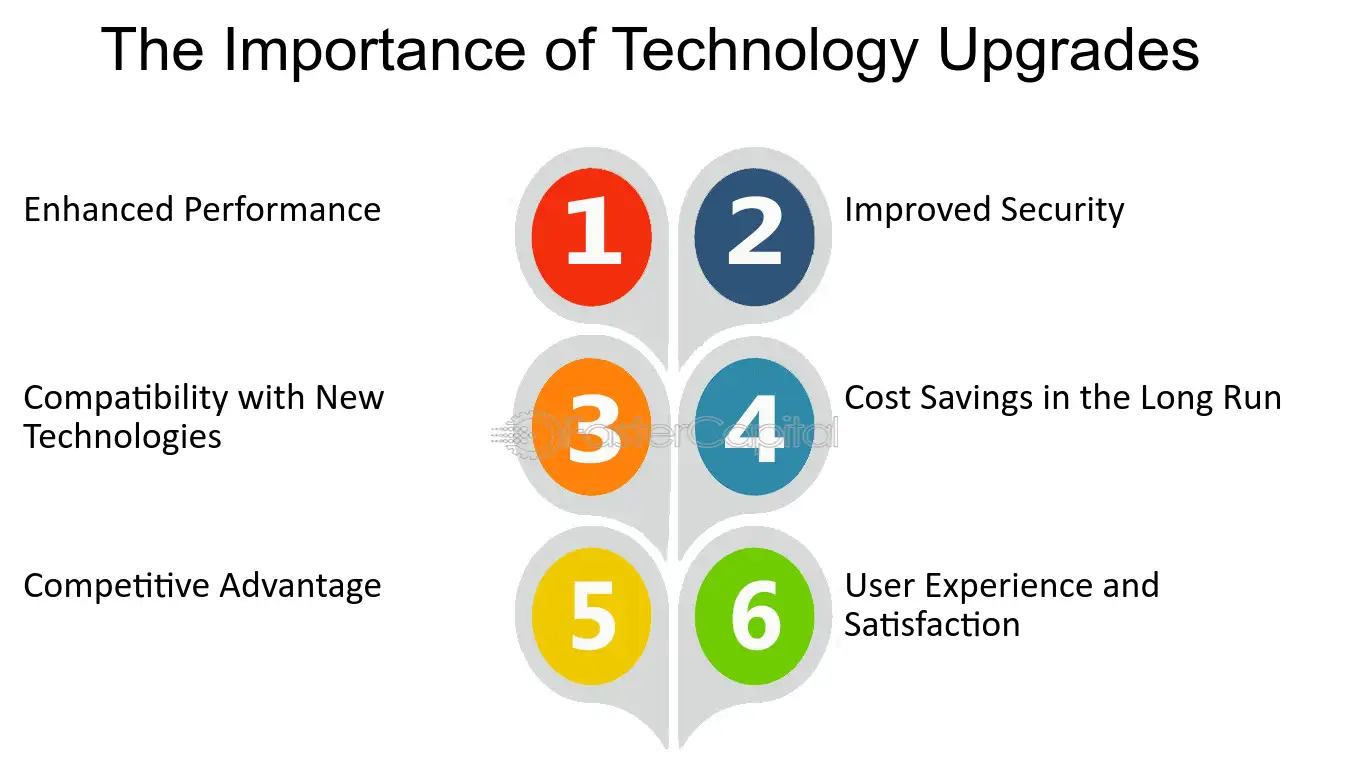
Slowly, through trial and error, I started making small tech upgrades around my workspace. None of them transformed life overnight, but together they changed how workdays felt emotionally and physically. Instead of fighting small annoyances every hour, my environment started working with me instead of against me.
The Smallest Changes Often Had the Biggest Impact
One of the first upgrades I made was something extremely simple: a second monitor.
Before using one, I constantly switched between windows while working. Emails, documents, video calls, research tabs, and spreadsheets competed for space on a single laptop screen. By the end of the day, even small tasks felt mentally exhausting because my attention kept jumping around.
Adding another monitor immediately reduced that frustration.
It was not about looking impressive or building a fancy setup. It simply made work smoother. One screen could hold a meeting while the other showed notes or tasks. Research became easier. Writing felt less interrupted. My mind felt less crowded because I no longer needed to constantly rearrange windows every few minutes.
That small change unexpectedly improved concentration more than expensive software ever had.
The next improvement was better lighting.
For months, I worked under harsh overhead lights or relied on dim room lighting during cloudy days. I did not realize how much it affected mood and energy until I added a simple desk lamp with softer warm light.
The room immediately felt calmer and more comfortable.
During evening work sessions, the softer lighting reduced eye strain and made the workspace feel less cold. It reminded me how much office environments influence mental energy without people noticing.
Natural light also became important.
I moved the desk closer to a window, and the difference surprised me. Seeing daylight, trees moving outside, rain, or changing skies made long work hours feel less trapped and repetitive. Even difficult tasks felt slightly easier when the environment felt alive instead of closed off.
Another unexpectedly useful upgrade was a proper webcam and microphone.
Earlier, video calls felt awkward and tiring. Poor audio quality created constant interruptions. Background noise distracted conversations. Once I switched to a better microphone and camera setup, meetings became smoother and less stressful.
The improvement was not only technical. Communication itself felt more natural.
People underestimate how exhausting unclear audio can become during long remote workdays. Constantly repeating sentences or struggling to hear others creates hidden mental fatigue. Clear sound reduced that stress immediately.
Noise-canceling headphones became another major improvement.
At home, distractions never fully disappear. Construction sounds, traffic, neighbors, televisions, kitchen noise, or conversations can easily break concentration. Good headphones created a small sense of separation between work and home life even inside the same room.
Sometimes I did not even play music. Simply reducing background noise helped my brain focus more deeply.
One surprising lesson from remote work was realizing how physical comfort affects mental performance.
For a long time, I worked from an ordinary dining chair because I believed ergonomic chairs were unnecessary. Eventually, back pain and stiffness became impossible to ignore. Investing in a proper chair felt expensive at first, but it quickly became one of the most valuable upgrades.
After several weeks, I noticed less physical exhaustion at the end of the day. My posture improved. Long meetings became more manageable.
The same thing happened with keyboard and mouse upgrades. Tiny discomfort repeated thousands of times daily eventually affects the body more than people realize.
Remote work taught me that small physical frustrations quietly drain mental energy too.
Technology Helped Create Better Daily Habits
One of the biggest challenges of working from home is that boundaries slowly disappear.
In traditional offices, there is usually a clear separation between work and personal life. People travel to work, sit in a different environment, then return home afterward. Remote work removes those physical transitions.
Without noticing it, I started checking emails late at night, responding to messages during meals, and opening work tasks immediately after waking up. My room slowly became both office and living space at the same time.
Small tech changes helped create healthier boundaries again.
One surprisingly effective upgrade was using smart plugs and automated lighting schedules. Every morning, certain lights turned on automatically at work hours, creating a subtle signal that the workday had started. In the evening, softer lights replaced them, helping the room feel personal again instead of office-like.
It sounds small, but these environmental shifts affected mood more than expected.
I also started using focus timers and productivity apps more intentionally.
Earlier, I believed productivity tools were mostly unnecessary. But while working remotely, I realized how easily hours disappear online. A quick message turns into social media scrolling. One video becomes twenty minutes lost.
Simple timer apps helped structure attention.
Working in focused blocks with short breaks made long days feel less mentally scattered. Instead of forcing constant concentration for eight or nine hours, I worked in more realistic rhythms.
Another useful change involved cable management.
At first, my workspace looked chaotic. Chargers, wires, hard drives, adapters, headphones, and extension cords covered the desk constantly. Even though it seemed like a small issue, visual clutter created low-level stress every day.
After organizing cables properly and simplifying the setup, the room immediately felt calmer.
This taught me something important about work environments. The brain notices clutter even when people think they are ignoring it. Cleaner spaces reduce unnecessary mental noise.
Internet reliability also became emotionally important.
Before remote work, occasional connection problems were annoying but manageable. During work-from-home life, however, unstable internet affects meetings, deadlines, communication, and stress levels directly.
Upgrading the router and improving Wi-Fi coverage removed countless small frustrations. Suddenly video calls stopped freezing. File uploads became smoother. Work interruptions became less frequent.
Reliable internet became as emotionally comforting as electricity or running water.
Another unexpected improvement came from using standing breaks and movement reminders.
Remote work often creates long periods of sitting without realizing it. In offices, people naturally move between rooms, meetings, desks, or lunch areas. At home, it is easy to remain seated for hours.
Simple reminders to stretch, walk briefly, or step outside helped maintain energy during long days. Even five minutes near fresh air could reset concentration completely.
Technology worked best when it supported healthier human habits instead of demanding more attention constantly.
Work From Home Became More Human Over Time
In the beginning, I treated remote work like a technical problem. I believed the goal was maximum efficiency and productivity. But over time, I realized comfort, atmosphere, and emotional balance mattered just as much as speed.
Some of the best upgrades were not directly related to work at all.
Adding a small speaker for background music changed the mood of the room. Plants near the desk made the environment feel less artificial. A better coffee setup created enjoyable breaks during stressful days. Even a small fan or air purifier improved comfort more than expected.
These details made the workspace feel more human.
One thing many people misunderstand about remote work is that being at home does not automatically feel relaxing. In fact, when home becomes associated only with deadlines and meetings, stress can quietly spread into personal life.
Small tech upgrades helped separate those feelings again.
For example, creating different sound environments changed how the day felt emotionally. Instrumental music during work hours, calming sounds during breaks, or complete silence during focused tasks all affected concentration differently.
Technology also changed social habits.
Remote work can become lonely without noticing. Some days pass with very little real human interaction outside screens. Because of this, better communication tools mattered emotionally too.
Clearer video calls, better microphones, and smoother online collaboration reduced feelings of distance slightly. Conversations became less tiring and more natural.
At the same time, I also learned the importance of disconnecting intentionally.
Not every problem needs another app, device, or notification. Some of the healthiest habits involved turning technology off temporarily. Closing the laptop fully after work. Walking without headphones. Eating meals away from screens.
Remote work became easier not only because of better technology, but because of better balance with technology.
Another interesting lesson was that productivity does not always come from expensive setups. Social media often shows beautiful workspaces filled with costly gadgets and large monitors. But in reality, a few thoughtful improvements matter far more than impressive appearances.
A comfortable chair, stable internet, good lighting, clear audio, and an organized desk improved daily life more than flashy equipment ever could.
The most valuable upgrades were the ones that quietly removed stress from ordinary moments.
A smoother video call. Less eye strain at night. Fewer cable problems. Better posture after long meetings. Clearer focus during difficult tasks. A calmer room during busy days.
None of these changes looked dramatic individually, but together they completely changed how remote work felt over time.
Working from home taught me that productivity is deeply connected to environment. Small daily frustrations repeated hundreds of times eventually shape mood, energy, and concentration more than people realize.
The biggest surprise was understanding that technology works best when it becomes almost invisible. The goal is not to fill life with gadgets. The goal is to create a space where work feels smoother, healthier, and more sustainable.
In the end, the best upgrades were not the most advanced ones. They were simply the ones that made everyday life feel a little easier.
Leave a Reply